Installing a boiler in your home is a significant investment that requires careful planning and execution. Whether you are upgrading an outdated system, replacing a broken unit, or installing a boiler for the first time, understanding the process can help you make informed decisions. This guide will walk you through the essential steps of boiler installation, ensuring you know what to expect and how to prepare.
Understanding Your Boiler Options
Before diving into the installation process, it’s crucial to understand the different types of boilers available. Traditionally, there are three main types: combi boilers, system boilers, and conventional boilers.
Combi boilers are compact units best plumbing repair tips that provide both heating and hot water on demand without needing a separate storage tank. They are ideal for smaller homes where space is at a premium. System boilers, on the other hand, require a hot water cylinder but can supply hot water to multiple taps simultaneously. This makes them suitable for larger households with higher hot water demands. Conventional boilers are often used in older homes with existing systems; they rely on both a cold-water tank and a hot-water cylinder.
Choosing the right boiler type not only depends on your household needs but also on factors such as energy efficiency and installation costs. Consulting with a licensed plumber can help clarify which option would best suit your situation.
Planning Your Installation
Once you have selected your boiler type, proper planning is essential for a successful installation. Start by assessing your current heating system and infrastructure — this includes checking existing pipework, radiators, and electrical connections. It is crucial to ensure that these components will support the new boiler.
Next, consider where you want to install the boiler. Some common locations include utility rooms, basements, or kitchens. The placement should allow easy access for maintenance while complying with local building codes regarding clearances from combustible materials.
Obtaining necessary permits is another critical step in this planning phase. Many areas require specific permits for plumbing installations to ensure safety and compliance with regulations.
Gathering Tools and Materials
Before commencing installation, gather all necessary tools and materials to streamline the process. Essential tools include:
- Pipe cutters Wrenches Screwdrivers Teflon tape A basin wrench
In addition to tools, you will need various materials such as pipes (copper or plastic), fittings (elbows, tees), valves (safety valve and pressure relief valve), insulation (for pipes leading outside), and any specific components required by your chosen boiler model.
Being well-prepared can significantly reduce delays during installation and minimize frustration.
The Boiler Installation Process
1. Removing the Old Boiler
If you're replacing an existing boiler, begin by carefully disconnecting it from gas lines (if applicable) and electricity. Make sure to turn off all relevant utilities before starting this step—safety should always be your top priority. Once disconnected, remove any old piping connected to the unit.
2. Setting Up the New Boiler
Position the new boiler in its designated location according to manufacturer instructions. Ensure it is level before securing it in place; an unlevel boiler can lead to operational inefficiencies or issues over time.
Connect the flue—this exhausts gases produced during combustion safely outside—and ensure proper sealing around joints to prevent leaks.
3. Installing Water Lines
Connect the cold-water supply line directly to your new unit while also linking it to your heating system's flow return line. Ensure all fittings are tight and use Teflon tape where necessary to create watertight seals.
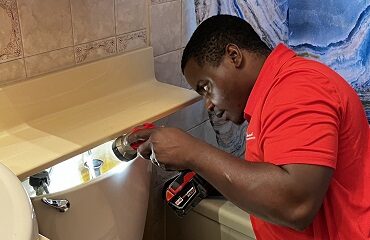
If using an expansion tank as part of your system (common in closed-loop systems), connect it at this stage according to local plumbing codes.
4. Making Electrical Connections
For electric boilers or those requiring electrical components like pumps or controls, follow manufacturer guidelines for wiring connections carefully. If unsure about handling electrical work safely and correctly, hiring an experienced electrician is advisable.
5. Testing Your Installation
After everything is connected—water lines, power sources, venting—it's time for testing before fully sealing up walls or covering pipes with insulation:
- Check all connections for leaks. Ensure that shut-off valves function properly. Verify that gas connections are secure if applicable.
Once you have run initial tests without any issues arising from leaks or functionality concerns, you may proceed with filling the system with water while continuing monitoring for leaks during this process.
Post-Installation Considerations
After successfully installing your new boiler system comes essential maintenance considerations that contribute significantly towards longevity:
Regular Maintenance: Schedule annual maintenance checks with licensed plumbers who specialize in residential boiler service; this ensures optimal performance throughout their lifespan.
Monitoring Performance: Keep track of how quickly heat is distributed throughout your home post-installation; any irregularities may indicate underlying issues requiring immediate attention.
Emergency Plumbing Support: Familiarize yourself with local emergency plumbing services—having access readily available can save time when unexpected issues arise after installation.
Filling Out Warranty Information: Most manufacturers provide warranties dependent upon professional installations; always ensure paperwork gets submitted promptly following service completion.
Energy Efficiency Awareness: Stay informed about operating costs associated with different models; sometimes small adjustments such as changing thermostat settings can yield noticeable savings over time!
Conclusion
The undertaking of installing a new boiler involves numerous steps from initial planning through execution while ensuring adherence towards safety standards throughout each phase encountered along its journey! While many homeowners opt for DIY approaches considering potential cost-saving benefits involved—consulting skilled professionals remains invaluable especially when navigating complex aspects surrounding plumbing repair & installations ultimately leading towards improved comfort within households year-round!
Investing time into understanding this process not only empowers homeowners but also enhances overall success rates associated directly related towards achieving desired outcomes during installations while minimizing future headaches linked back towards mishaps due lack knowledge surrounding critical elements involved therein!